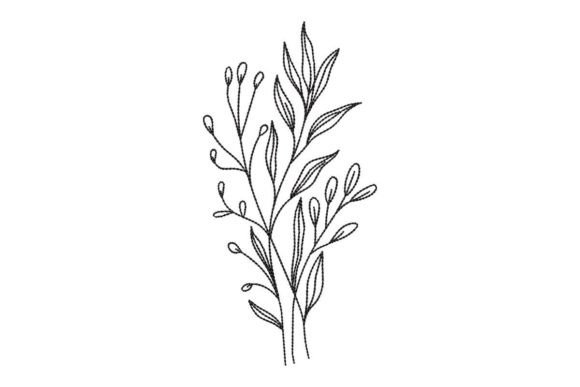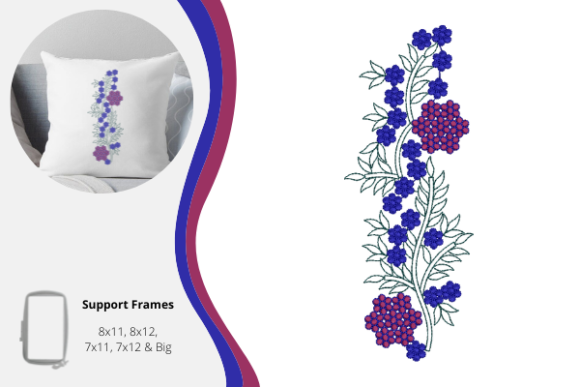
Pillow Cover Flower
A Versatile Design for Branding and Merchandise
As an experienced embroidery designer, I’ve had the chance to review countless machine embroidery designs. One that stood out recently is Pillow Cover Flower. At first glance, it exudes a sense of elegance and professionalism, with a subtle yet refined floral motif that feels both modern and timeless. This design is not just for decorative purposes—it’s a powerful tool for small business merch, custom apparel, and branded products.
First Impressions: A Blend of Elegance and Practicality
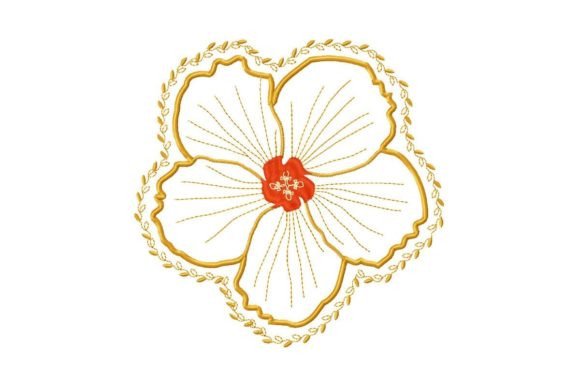
Pillow Cover Flower immediately catches the eye with its clean lines and intricate detailing. It carries a classic aesthetic that can easily adapt to various industries. Whether you’re looking to add a touch of sophistication to your brand or create a memorable product, this design offers a versatile foundation. Its single-flower composition allows for flexibility in placement and scale, making it ideal for both large-scale branding and smaller, more intimate touches like patches or labels.
Real Business Use: From Patches to Tote Bags
When evaluating a design for commercial use, it’s essential to consider how well it performs across different applications. Pillow Cover Flower shines in several key areas:
- Embroidered Patches: The design works well as a patch, especially when used on caps, aprons, or tote bags. Its clear outlines and balanced composition make it visually appealing even at smaller sizes.
- Staff Uniforms: Adding Pillow Cover Flower to work shirts or uniforms can elevate the overall look of your team while reinforcing brand identity.
- Apron Embroidery: This design adds a touch of class to aprons, making them stand out in cafes, bakeries, or boutique settings.
- Caps and Tote Bag Designs: The flower’s symmetry and visual appeal make it a great choice for cap fronts and tote bag accents, where it can serve as a subtle yet effective brand marker.
- Product Packaging Accents: Incorporating Pillow Cover Flower into packaging adds a handmade feel that resonates with customers who value authenticity and craftsmanship.
Its adaptability makes it suitable for a wide range of small business merch and custom apparel projects, from Etsy branding to event merchandise.
Design Considerations for Commercial Use
While Pillow Cover Flower has many strengths, there are certain considerations to keep in mind when using it in real-world scenarios:
- Small Patch Sizes: The design may require careful scaling when used on small patches. Testing it at reduced sizes ensures clarity and readability.
- Curved Surfaces: Applying it to curved surfaces like caps or tote bags may require adjustments to maintain the design’s integrity.
- Tiny Lettering: If the design includes text or additional elements, ensure they remain legible when scaled down.
- High Stitch Density: Be mindful of stitch density, as overly dense patterns can cause issues with fabric texture and durability.
- Textured Fabric: On fabrics with pronounced textures, the design might not render as expected, so always test on actual materials before production.
- Dark Uniforms: When using Pillow Cover Flower on dark-colored garments, ensure thread color contrast is sufficient for visibility.
- Frequent Washing: For items that undergo regular washing, such as aprons or uniforms, consider the durability of the embroidery and the quality of stabilizer used.
These factors highlight the importance of thorough testing and preparation before mass production.
Enhancing Brand Identity with Pillow Cover Flower
Using Pillow Cover Flower in your branding efforts can significantly impact customer perception. The design’s elegant simplicity reinforces a sense of professionalism and attention to detail, which aligns well with brands that value quality and craftsmanship.
By incorporating this design into your brand identity, you create a consistent visual language that enhances recognition and trust. Whether it’s a logo on a cap, a patch on a tote bag, or an embroidered label on a product, Pillow Cover Flower helps reinforce your brand’s personality and values.
Additionally, the design’s versatility allows for creative integration into various design assets, from digital mockups to finished products. This flexibility supports a cohesive brand presence across multiple channels.
Practical Designer Notes for Success
As an embroidery designer, I recommend the following steps to ensure successful implementation of Pillow Cover Flower:
- Test in Black and White: Before finalizing, check how the design looks in monochrome to ensure it remains clear and recognizable.
- Check Small Patch Size: Confirm the design works effectively at reduced scales, especially for patches and labels.
- Review Thread Color Contrast: Select thread colors that provide optimal contrast against the intended fabric.
- Inspect Spacing: Ensure the design doesn’t overcrowd the embroidery area, especially on smaller items.
- Confirm Hoop Size: Verify the hoop size compatibility to avoid distortion during stitching.
- Test on Real Fabric: Always perform a trial run on the actual material to assess stitch quality and appearance.
- Use Proper Stabilizer: Choose a stabilizer that supports the fabric type and design complexity.
- Create a Mockup: Develop a printable mockup for client approval to ensure alignment with brand vision.
- Compare with Other Assets: Ensure the design complements other design assets for visual consistency.
- Confirm Commercial Licensing: Always verify that the design has appropriate licensing for commercial use.
Following these steps will help maximize the potential of Pillow Cover Flower in your commercial embroidery projects.