Flower Mandala
A Thoughtful Design for Real Projects
As a designer who has stitched countless embroidery projects, I approach each new design with the same curiosity and practicality. Flower Mandala is no exception. At first glance, it offers a sense of calm and intricate beauty that immediately draws the eye. The mandala-like structure, centered around a floral motif, suggests a balance between nature and artistry. It’s not just a pattern—it's an experience waiting to be stitched into fabric.
The First Impression: A Visual Harmony
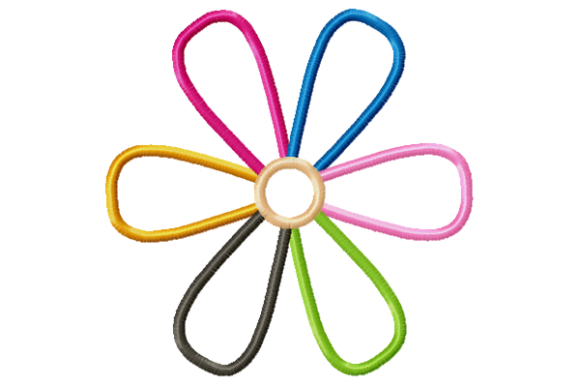
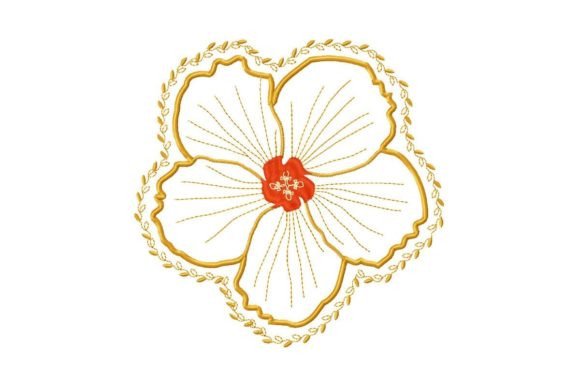
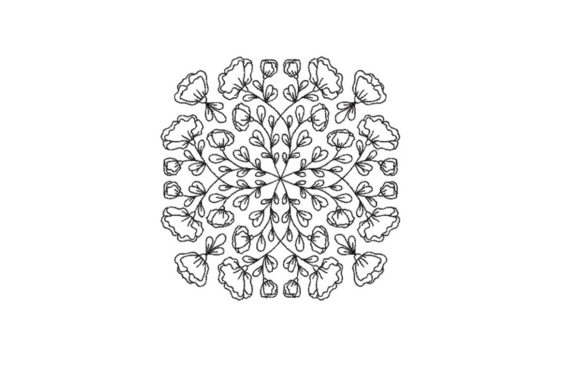
Flower Mandala carries a soft, meditative energy. The layout is symmetrical yet organic, with petals radiating outward from a central bloom. This structure makes it ideal for both personal and commercial use. Its visual personality is gentle, making it a great fit for items like baby clothes, holiday gifts, or boutique products where a serene aesthetic is desired.
What stands out is the attention to detail in the floral elements. Each petal seems handcrafted, suggesting a level of care that aligns well with handmade products and personalized gifts. However, the design also allows for customization—choosing the right thread colors can transform it from subtle to bold, depending on the project.
Real-Life Application: Where Does It Fit?
When considering real-life use, Flower Mandala shines in custom apparel and home decor. Think about a tote bag design, where the mandala can serve as a focal point without overwhelming the overall look. Similarly, it could work beautifully on a sweatshirt or apron, adding a touch of elegance to everyday items.
For smaller projects like embroidered patches or caps, the design’s compact nature is an advantage. However, it’s important to note that the intricate details may require careful handling, especially when working with textured or stretchy fabrics. The mandala’s symmetry also makes it a strong contender for holiday embroidery, particularly for items like pillow covers or kitchen towels that need a festive yet timeless feel.
Considerations for Real-World Embroidery
While Flower Mandala is visually appealing, it’s not without its challenges. One thing to consider is stitch density. The detailed floral elements mean that the design may require higher stitch counts, which can affect both the time needed to complete the project and the overall durability of the finished product.
Another factor is fabric compatibility. Darker fabrics may reduce the contrast of the design, making it less visible. Likewise, thin or stretchy materials can cause distortion, especially in areas with dense stitching. In such cases, using the right stabilizer becomes crucial to maintaining the integrity of the embroidery.
Additionally, the design’s intricate corners and delicate lines make it unsuitable for small hoop sizes. If you're planning to use it on a cap or curved surface, you’ll want to test it first on scrap fabric to ensure it holds up under pressure and maintains its shape.
Design Assets and Branding Potential
From a brand perspective, Flower Mandala offers a versatile asset for craft businesses and Etsy sellers. It can be used across multiple product lines, from personalized gifts to commercial embroidery projects. Its clean, modern look makes it suitable for both minimalist and more elaborate designs, allowing for creative flexibility.
When creating printable mockups or digital previews, it’s essential to test the design in black and white. This helps identify any potential issues with stitch clarity and ensures the design translates well across different backgrounds. Also, confirming the licensing terms before selling finished products or digital files is a must for any small shop product or craft business.
Practical Designer Notes
- Test on Scrap Fabric: Always start with a sample to assess how the design behaves on your specific fabric type and machine.
- Check Thread Color Contrast: Ensure the chosen thread colors provide enough contrast against the background fabric.
- Review Stitch Density: High-detail areas may require adjustments to prevent over-stitching or uneven results.
- Confirm Hoop Size: Make sure the design fits comfortably within your hoop to avoid tension issues.
- Inspect Small Details: Pay close attention to the fine lines and corners, especially if the design will be used on small items like patches.
- Use Proper Stabilizer: Especially for stretchy or dark fabrics, a quality stabilizer can make all the difference.
- Compare Light and Dark Backgrounds: This helps determine how the design will appear in different contexts.
- Ensure Licensing Compliance: Before selling, confirm that the design is properly licensed for commercial use.
Final Thoughts on Flower Mandala
Flower Mandala is a thoughtful, versatile design that offers both artistic appeal and practical value. Whether you're crafting a custom embroidered tote, a baby item, or a boutique product, it has the potential to elevate your project with its elegant and intricate style.
However, as with any embroidery design, success depends on understanding the nuances of the material, machine, and final application. With the right preparation and attention to detail, Flower Mandala can become a standout piece in your portfolio or a beloved gift for customers. It’s a design that invites creativity, but also demands respect for the process of bringing it to life.